Kampala, Uganda – Wednesday 12th August 2026
Artificial Intelligence (AI) is rapidly changing how people learn, work, conduct research and solve complex challenges. As these technologies reshape the global economy, their benefits will depend not only on access to digital tools, but also on whether countries prepare learners, educators and institutions to use AI responsibly and productively.
For Uganda, this is particularly urgent. The 2024 National Population and Housing Census found that 50.5% of the country’s population is aged 17 or below, while a further 22.7% is aged between 18 and 30. This youthful population presents a major opportunity, but also increases the need for the education system to equip young people with skills relevant to an increasingly digital labour market.
Meanwhile, the skills required in the workplace are changing rapidly. The World Economic Forum projects that labour-market disruptions will affect 22% of current jobs by 2030, while nearly 40% of the skills required in the workplace are expected to change. AI, big data and cybersecurity are among the areas projected to experience the fastest growth in demand.
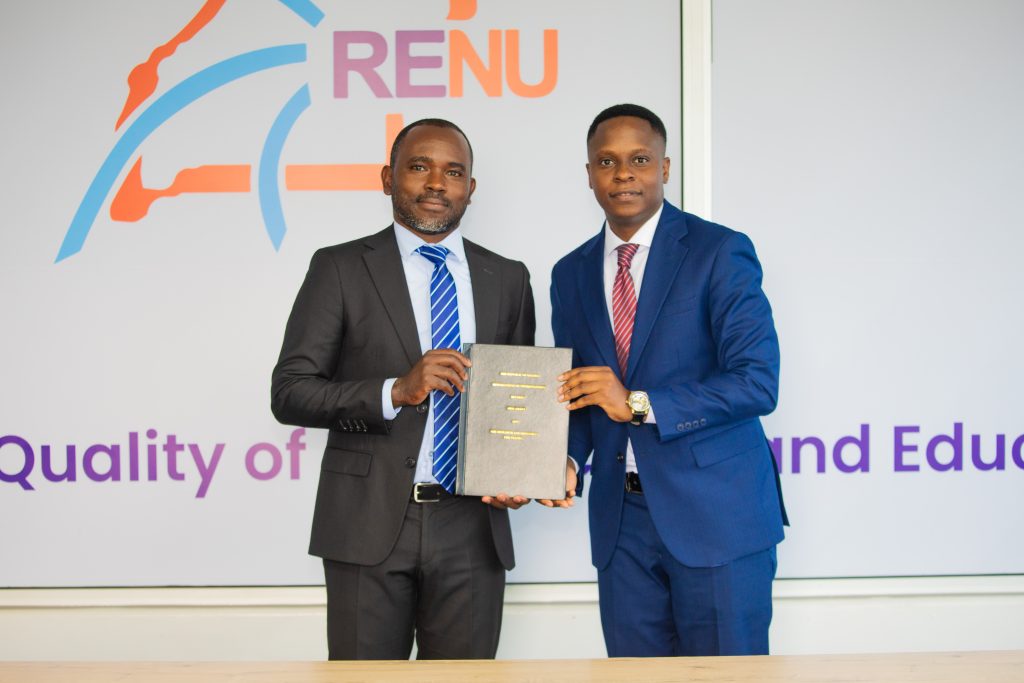
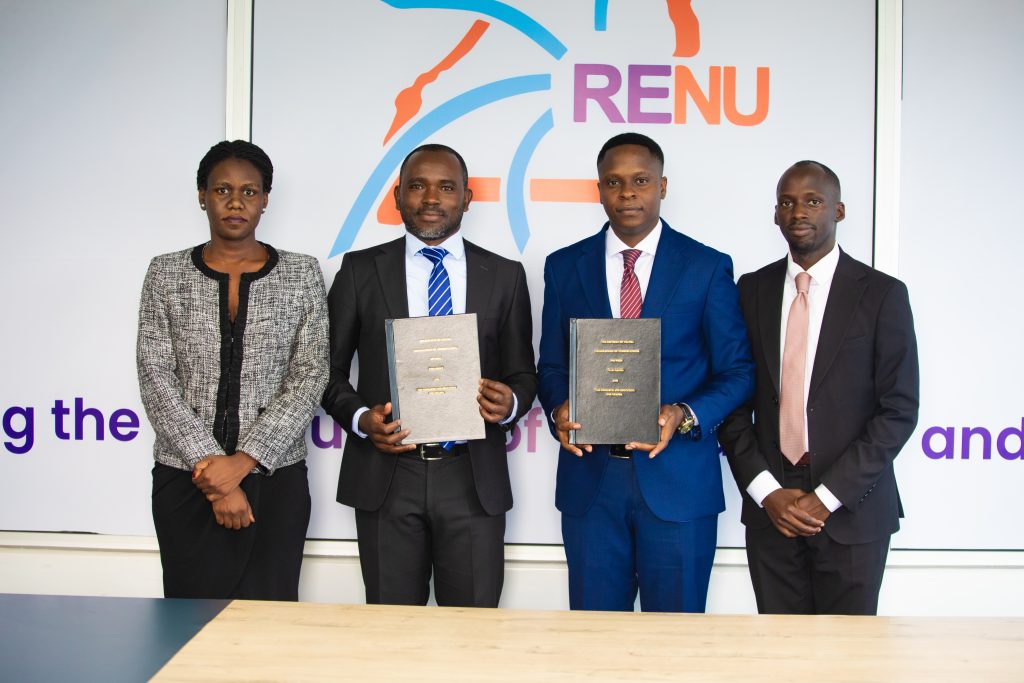
Recognising this urgent need, the Research and Education Network for Uganda (RENU) and Otic Group signed a strategic Memorandum of Understanding (MoU) on 5th August 2026 to advance AI literacy, digital skills, research and innovation across Uganda’s education and research ecosystem. The partnership seeks to equip more than 3 million learners with foundational AI literacy and practical skills by 2030.
The first phase of the programme has already demonstrated both the potential for impact and the challenge of delivering AI education at scale. While Otic Group reached more than 5,000 young learners in Northern Uganda, connectivity emerged as a significant barrier, particularly for rural schools. This experience reflects a wider national digital-readiness challenge: a recent UNICEF-supported assessment of 3,257 secondary schools found that only 20% were ICT-ready, while 38% had no Internet access. Among schools without connectivity, the average learner-to-device ratio stood at 50:1.
Bridging Uganda’s AI skills gap will therefore require more than training alone. It will require the digital infrastructure that enables learners and educators, regardless of location, to access and meaningfully engage with AI tools and resources. By combining RENU’s national research and education infrastructure with Otic Group’s AI skilling expertise and programmes, the partnership seeks to address both sides of the challenge—expanding access while building the skills needed to turn connectivity into meaningful educational opportunities.
The partnership between RENU and Otic Group brings together RENU’s national research and education network infrastructure, cloud services and extensive institutional reach with Otic Group’s expertise in Artificial Intelligence, digital transformation and capacity development to accelerate AI adoption, strengthen digital innovation, and build the skills needed for Uganda’s future. Together, the organisations will support young learners to build practical AI competencies while expanding access to the infrastructure required for responsible AI adoption.
A key focus of the partnership will be AI literacy and skilling in schools. RENU and Otic Group will collaborate on age-appropriate AI-awareness activities and practical learning programmes that help learners understand what AI is, how it works and how it can be applied ethically and creatively.
The partnership will also explore delivering training in responsible AI adoption, prompt engineering, AI agents, enterprise AI tools and practical AI-solution development. The intention is not simply to introduce students to new technologies, but to help schools develop the confidence and institutional capacity to use AI meaningfully in teaching, learning and problem-solving.
The collaboration supports the implementation of RENU’s AI Strategy, which provides a framework for strengthening responsible AI adoption across RENU’s member community through advanced connectivity, cloud infrastructure, institutional capacity development, trusted digital access and opportunities for AI research and experimentation.
Otic Group will contribute its expertise through its three pillars of impact: Skilling and Awareness, Advocacy, and Infrastructure. Its flagship programmes, including the National Free AI Skilling Initiative and AI in Every City, are designed to broaden access to practical AI knowledge and create opportunities for students, educators, professionals and communities to develop relevant digital competencies.
Speaking about the partnership, Nicholas Mbonimpa, Chief Executive Officer of RENU, said:
“RENU’s goal has always been to improve the quality of research and education. While we began by building a high-speed national research and education network that now connects more than 1,200 institutions across Uganda, our focus has evolved beyond connectivity to AI infrastructure and advanced digital platforms that enable institutions to innovate. This partnership with Otic Group supports the implementation of our AI Strategy by combining RENU’s trusted digital infrastructure with practical AI skills and solutions that will empower educators, researchers and learners to thrive in the digital age.”
Nesta Paul Katende, Chief Executive Officer of Otic Group, said:
“Artificial Intelligence has the potential to transform lives, but only if access to AI knowledge is inclusive, practical and begins early. Through the Otic Foundation, we are already equipping more than 5,000 children in Northern Uganda with foundational AI skills. With our growing presence across Uganda, Rwanda and Kenya, we are committed to expanding that impact across the region. Our partnership with RENU brings together practical AI education and trusted digital infrastructure to help prepare learners, educators and researchers not just to use AI, but to create innovative solutions that address Africa’s challenges and contribute meaningfully to the global digital economy.”
By connecting skills development with research, infrastructure and innovation, the partnership aims to help Uganda’s learners move beyond simply using AI tools to understanding them critically, improving them and developing solutions that respond to local needs.
Uganda’s AI future will be shaped in its classrooms, universities, research laboratories and innovation communities. Through this collaboration, RENU and Otic Group are working to ensure that the institutions and people at the centre of that future are prepared to lead it.