
Kalangala Connect – Bridging the Digital Divide on Bugala Island
Overview
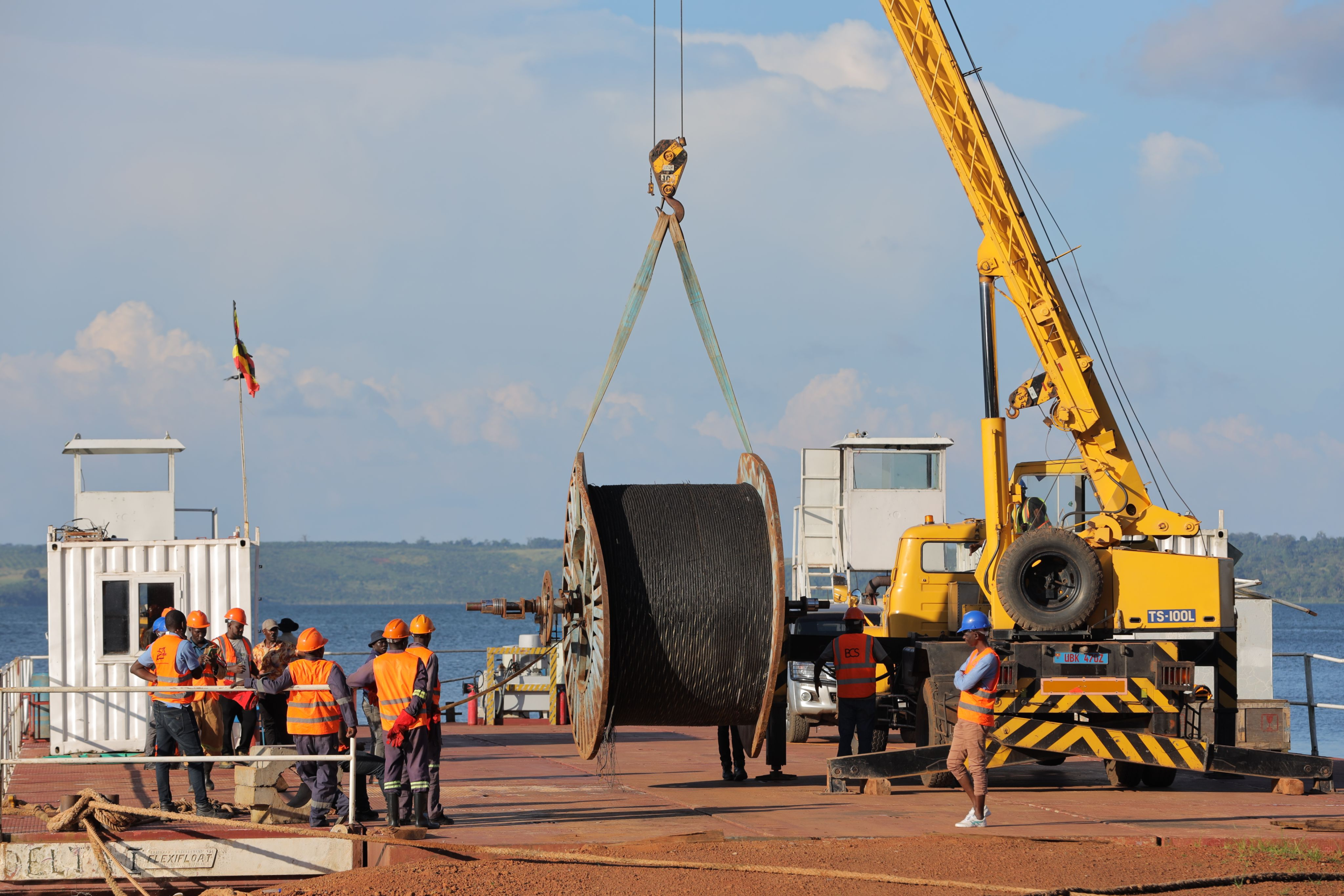
Kalangala Connect is a transformative digital infrastructure initiative designed to bridge the connectivity gap on Bugala Island in Kalangala District. Led by RENU, the project integrates submarine fiber, terrestrial fiber, and community Wi-Fi to deliver reliable high-speed internet for education, healthcare, research, and community development. It is one of Uganda’s most ambitious rural connectivity interventions.
Objectives
- Deliver high-speed, stable internet to Bugala Island.
- Strengthen ICT capacity in local institutions.
- Facilitate digital services across education, health, and public sectors.
- Deploy eduroam in key institutions and public spaces.
- Improve readiness for emergency response and digital resilience.
Stakeholders / Beneficiaries
- Students, teachers, researchers, and staff in schools and institutions on Bugala Island.
- Health workers and public health centers.
- Local government authorities.
- RENU and national backbone providers.
- Communities in Kalangala District.
Implementation / Approach
Phase I:
Successfully installed a submarine fiber optic cable connecting Bukakata landing site to Bugoma landing station. This phase was completed in January 2025 and established the core backbone linking the island to the mainland.
Phase II (2025–2026):
- Rollout of terrestrial fiber to connect the submarine cable to the RENU backbone.
- Distribution of internet across schools, hospitals, and research centers.
- Deployment of eduroam and community Wi-Fi hotspots.
- Training ICT personnel on LAN deployment and maintenance.
- Integrating last-mile technology including long-range wireless antennas.
Technical Approach:
- Hybrid fiber-wireless network model.
- Institution-level LAN installations.
- Community Wi-Fi coverage for public spaces such as markets and health centers.
Results / Outcomes
- Submarine backbone completed, significantly improving connectivity potential.
- Improved digital readiness of institutions on Bugala Island.
- Strengthened ICT human capacity through targeted training.
- Enhanced support for education, healthcare, and economic development.
Future Work
- Complete terrestrial fiber rollout and full island-wide connectivity distribution.
- Expand eduroam hotspots to additional public centers.
- Deepen community digital literacy activities.
- Explore renewable energy-backed nodes for sustainability.
Conclusion
Kalangala Connect is closing the digital gap for island communities and enabling equal access to modern digital tools. Upon full completion, Bugala Island will be a model for rural digital transformation in Uganda and the region.